


Who Owns the Listing Photos? The Ultimate Guide to Real Estate Photography Copyright
Who Owns the Listing Photos? The Ultimate Guide to Real Estate Photography Copyright
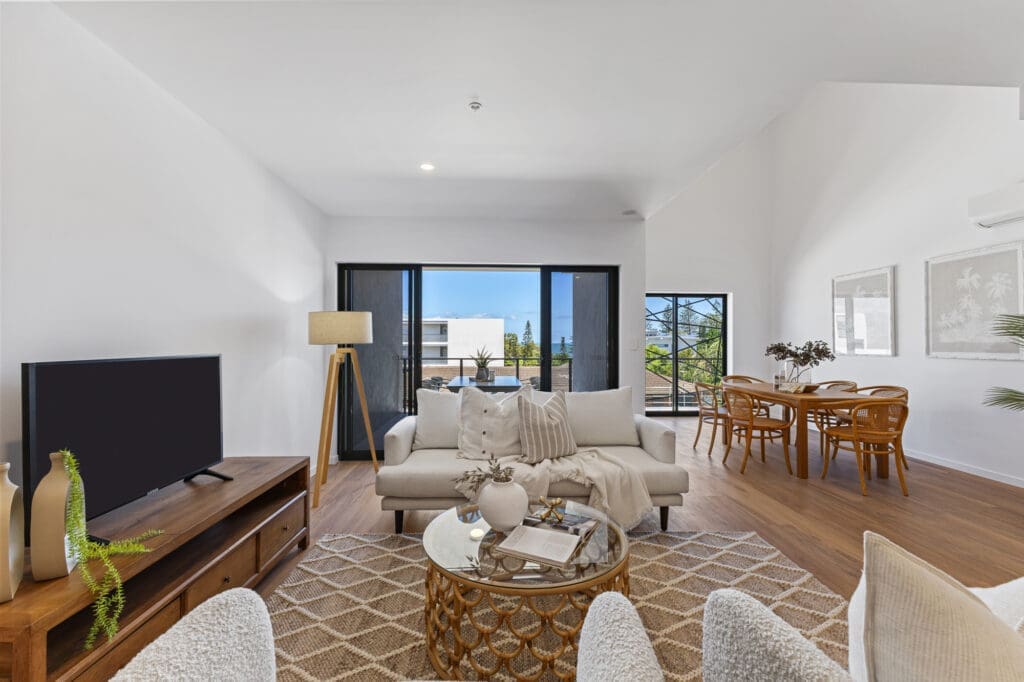
The digital landscape of Australian real estate is entirely driven by visual media. Listings with stunning photography attract views, but they also attract serious legal misunderstandings. A common misconception among Australian real estate agents is that paying a professional photographer for a shoot automatically grants ownership of the photos. In reality, doing so without a clear contract can lead to costly legal disputes, copyright infringement claims, and structural compliance issues with major listing portals.
1. The Federal Baseline: The Copyright Act 1968
In Australia, intellectual property is governed at the federal level by the Copyright Act 1968 (Cth). Under this legislation, the legal baseline for ownership is definitive:
- Ownership by Default: The person who takes the photograph (the photographer) is the automatic first owner of the copyright.
- The 1998 Amendment Rule: For commercial work commissioned on or after 30 July 1998, the photographer retains copyright ownership unless a written contract states otherwise. The client receives a licence to use the images for a specific purpose, but they do not own the digital assets.
- The Private vs. Commercial Exception: If photos are commissioned for “private or domestic purposes” (like a wedding), the client owns the copyright. Real estate marketing is strictly a commercial purpose, meaning the photographer holds full ownership by default.
2. Ownership vs. Licensing: What Agents Actually Buy
When an agency pays a photography invoice, they are purchasing a limited commercial licence, not the copyright itself. The scope of a standard real estate photography licence typically includes:
- Single-Campaign Use: The right to use the photos to market the specific property for its current sale or rental campaign.
- Non-Transferability: The agent cannot sell, gift, or pass the photos to a third party. If a staging company, builder, or buyer wants the photos for their own portfolio, they must pay a separate licensing fee to the photographer.
- The Expiration Rule: If a listing agreement expires or is canceled, and the vendor moves to a rival agency, the original agent cannot transfer the photos to the new agent. The new agent must either re-licence the images directly from the photographer or shoot the property again.
This legal framework was tested heavily in the landmark Australian Federal Court case Hardingham v RP Data Pty Ltd. The court closely examined how implied licensing terms operate when real estate agencies upload photos to platforms like Realestate.com.au or Domain, emphasizing that explicit written contracts are vital to avoid long-term intellectual property leaks.
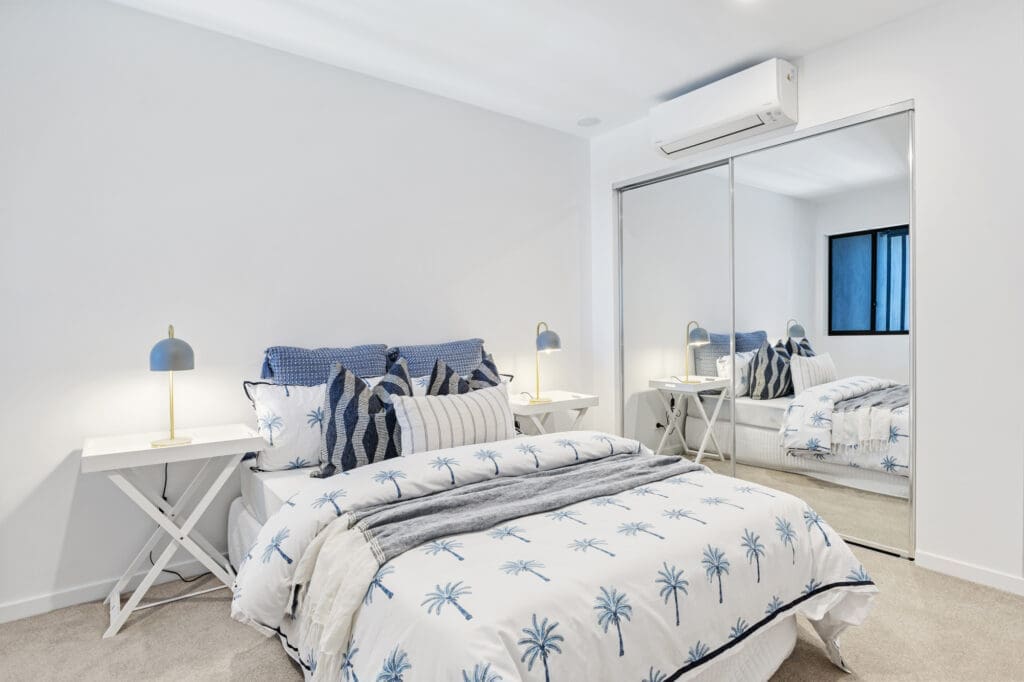
3. State-by-State Real Estate Photography Considerations
While federal copyright law remains identical across Australia, local real estate practices, consumer protection laws, and tenancy acts introduce distinct rules for photography in each state. For example;
Queensland (QLD)
- The Tenant Privacy Trap: Under Section 203 of the Residential Tenancies and Rooming Accommodation Act 2008 (QLD), an agent or lessor must not use a photograph showing a tenant’s possessions without explicit written consent.
- The Risk: Showing a tenant’s furniture, family photos, or vehicles without permission can result in a fine of up to 20 penalty units from the Residential Tenancies Authority (RTA).
New South Wales (NSW)
- Misleading Material Representation: NSW Fair Trading enforces strict guidelines under the Property and Stock Agents Act 2002 regarding digital manipulation.
- The Risk: If a photographer uses digital editing to remove power lines, add lawns, or hide structural damage, the agent is liable for misleading advertising. Minor lighting corrections are acceptable; structural modifications are illegal.
Victoria (VIC)
- Material Fact Disclosures: Consumer Affairs Victoria mandates strict material fact disclosure laws.
- The Risk: Wide-angle room distortion that creates a false impression of room dimensions can be deemed a breach of the Australian Consumer Law (Victoria). Photographic composition must truthfully represent the physical space.
Western Australia (WA)
- Drone Marketing Rules: WA’s sprawling luxury coastal listings heavily utilize drone photography.
- The Risk: The Civil Aviation Safety Authority (CASA) enforces federal airspace rules, but WA local councils frequently penalize commercial drone pilots operating over public council beaches or parks without specific local permits, irrespective of whether the photographer holds a Remote Pilot Licence (RePL).
4. Best Practices Checklist for Real Estate Agencies
To shield your business from copyright disputes and state compliance fines, it is advisable to adopt these operational rules:
- Verify Vendor Contracts: Explicitly state in your agency agreement who pays for the photography marketing campaign and that usage rights terminate if the listing agreement ends.
- Secure Written Tenant Approvals: If a property is occupied by a tenant, obtain written clearance on an official RTA/State form before staging any photography.
- Avoid Third-Party Sharing: Politely decline requests from building contractors or interior designers asking for “quick copies” of your listing photos. Direct them to the photographer.
- Keep Metadata Intact: Never strip metadata or copyright watermarks out of files supplied by professional creatives. Doing so can trigger a breach of moral rights under the Copyright Act.


